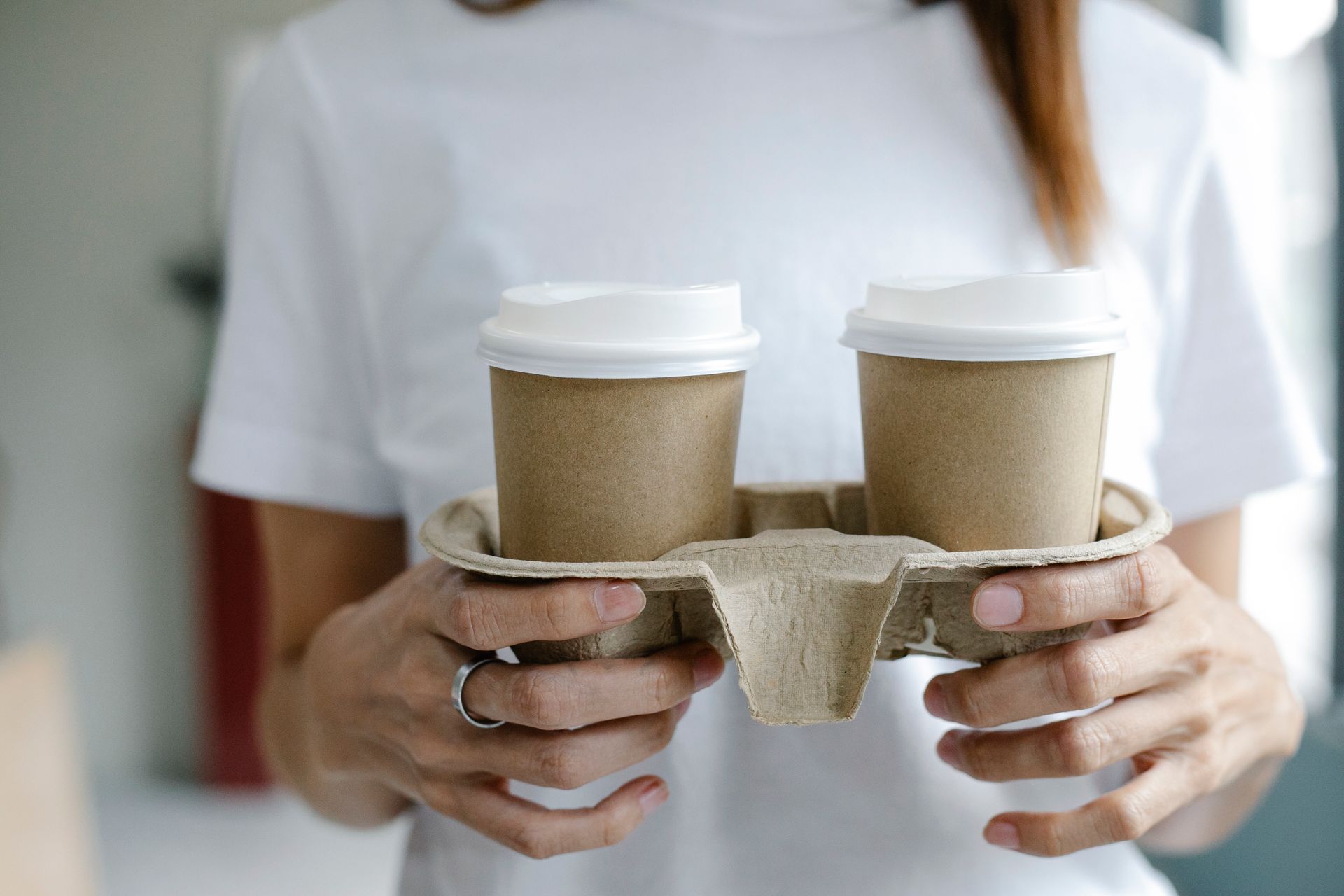
A flat white made for a table and a flat white made for a walk to the office are the same drink on paper and two different products in practice. One should arrive as soon as it is ready, in ceramic, at a temperature that is pleasant immediately. The other has to survive ten minutes in a lid.
Most ordering systems treat them identically. That is where the friction comes from.
Timing is the whole difference
Sit-in orders want to be made now. The customer is already comfortable, they are not going anywhere, and the only thing that matters is that the coffee is good and arrives in a reasonable time.
Takeaway order-ahead is the opposite problem: it wants to be made at the right moment, not the earliest one. A latte poured four minutes before its owner arrives is a worse latte than one poured as they come through the door. The whole benefit of ordering ahead disappears if the cup sits on the counter going lukewarm.
This is why collection times matter more than order times. What you want on the screen is not "this was ordered at 8:04" but "this needs pouring at 8:12".
Options are where the money is
The drinks menu is deceptively small — a dozen or so espresso-based drinks, a few filters, some teas. The variation lives underneath: milk choice, syrup, number of shots, decaf, cup size, extra hot, sugar.
Two things follow from that. First, every one of those options has to be answerable on a phone, or the customer will just come to the counter and ask. Second, the ones that cost you money — oat milk, an extra shot, a large — should be priced consistently, every time, rather than depending on which member of staff is on the till.
Shops that get their option groups right usually find their average order value moves before their volume does.
One menu, two flows
You should not be maintaining two menus. Change the price of a flat white once and it should change on the table QR codes, the order-ahead page and the printed menu at the same moment.
What differs is the flow around the menu:
- Sit-in — the QR code carries the table number, so the order arrives already knowing where it is going. Nobody has to ask "who was the cortado?"
- Takeaway — the customer picks a collection window, pays, and gets a notification when it is actually ready.
- Counter — unchanged. Some people want to talk to a human, and they should be able to.
What the barista sees
All three land on the same screen, in the order they need making, tagged with where they are going. Ceramic or paper. Table four or collection at 8:12. Oat, decaf, extra shot, written down and not remembered.
That is really the whole idea. The customer gets a shorter wait and a drink made the way they asked. The barista gets to stay on the machine and make it properly. Everything else — the codes, the phones, the screen — is just plumbing to make those two things possible at the same time.